Why Some Games Build Loyal Gaming Communities While Others Fade Out
Some games launch with huge momentum, pull in a wave of players, and then quietly disappear a few months later. Others stay relevant for years, sometimes even decades, with player bases that keep showing up, bringing in new people, and building an entire culture around the game. The biggest difference usually is not just budget, graphics, or hype. It is the ability to create loyal gaming communities.
A lot of multiplayer games are fun for a little while. Far fewer become a place players genuinely care about. The ones that last tend to offer more than just matches, missions, or progression. They give players a reason to belong. They create identity, trust, and habits that stretch well beyond the game client itself.
That is why some games stay alive long after their original launch window while others fade out almost as quickly as they arrived.
What loyal gaming communities really look like
When people hear the phrase loyal gaming communities, they often think of player counts or social media buzz. But loyalty goes deeper than numbers.
A loyal community is made up of players who do more than casually log in. They return consistently. They talk about the game when they are not playing it. They invite friends, share strategies, create clips, make guides, run Discord servers, and stay involved even when the game hits a rough patch. That kind of attachment is not built overnight.
It usually comes from a combination of strong gameplay, good social systems, trust in the developers, and a clear sense of identity. Players do not just want something to play. They want something to care about.
Great gameplay gets attention, but it does not guarantee loyalty
Every lasting multiplayer game starts with a foundation that feels good to play. That part still matters more than anything else.
If the shooting, movement, teamwork, progression, or core gameplay loop feels weak, players will not stay no matter how strong the marketing push was. People may tolerate rough edges. They may forgive balance issues early on. What they will not stick around for is boredom.
A lot of games that fade out do so because their first impression carries them further than the actual gameplay deserves. The trailers look great, the launch week feels exciting, but once players understand the systems, there is not enough depth to keep them invested. That is often when the community starts to fall apart.
The games that survive usually offer a gameplay loop that stays interesting even after the novelty is gone.
Progression has to feel meaningful, not exhausting
Loyal gaming communities are rarely built on raw gameplay alone. Players also need to feel like their time matters.
That does not mean every game needs a giant grind. In fact, some games push too hard in that direction and end up feeling more like chores than entertainment. Good progression makes players feel like they are building toward something without making the experience feel repetitive or forced.
Whether that progression comes through ranking systems, unlocks, character builds, cosmetics, reputation systems, or seasonal goals, the key is that players feel movement. They feel rewarded for sticking with the game. They feel like there is something waiting for them the next time they log in.
The best games understand that progression should support the experience, not replace it.
Social systems are one of the biggest reasons communities last
This is where a lot of games either succeed long-term or quietly fade away.
If a multiplayer game makes it easy for people to find squads, join groups, communicate, or become part of a wider social structure, players are far more likely to stay. If it makes those things difficult, loyalty becomes much harder to build.
That is one reason strong guild systems, server communities, clan support, ranking ladders, voice communication, and shared events matter so much. Once players stop showing up just for the game and start showing up for the people, the game becomes much harder to leave.
This is one of the clearest traits of loyal gaming communities. The social experience becomes part of the value.
Developer trust matters more than many studios realize
Players do not expect developers to get everything right. What they do expect is communication, direction, and some sign that the people behind the game are paying attention.
A game can survive balance changes, delayed features, and even unpopular updates if the community trusts the people running it. But if players feel ignored, misled, or left in the dark for too long, that trust starts to disappear.
That is why long-term support matters. A game with regular updates, transparent communication, and visible effort has a much better chance of keeping its players invested than a game that goes quiet and only reappears when it wants to sell something.
The best examples of loyal gaming communities
If you want to understand why some games stay alive for years, it helps to look at the ones that are still thriving right now.
Counter-Strike
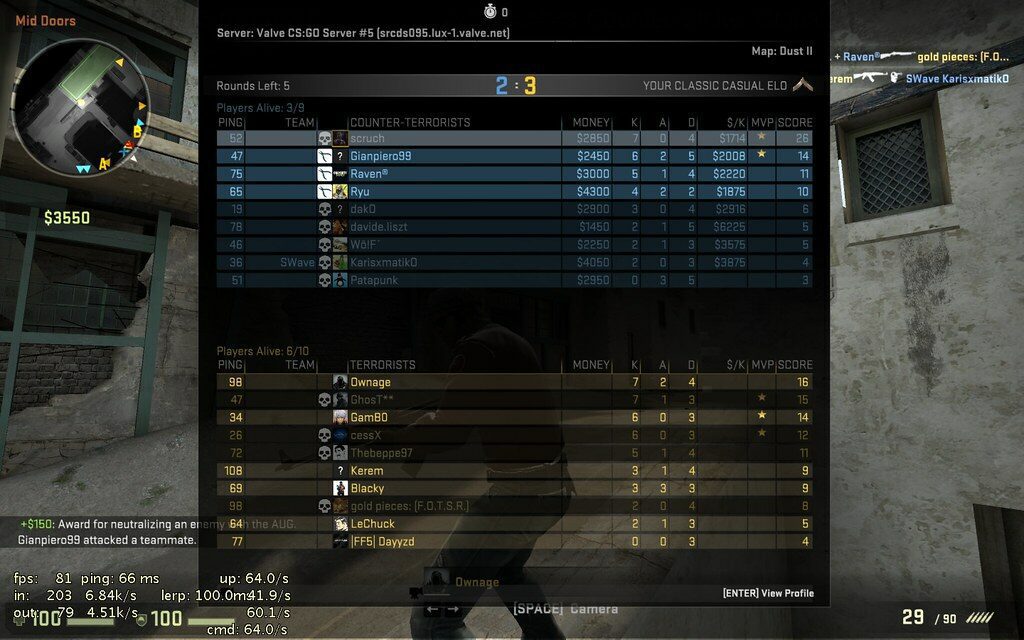
Counter-Strike is one of the clearest examples of a game built on competitive identity. Valve describes Counter-Strike as an elite competitive experience shaped by millions of players across the globe over more than two decades. That kind of staying power does not happen by accident. It comes from tight mechanics, a clear skill ceiling, and a structure that players can keep improving in for years. The game’s entire identity is built around consistency, competition, and mastery, which has helped it maintain one of the strongest long-term communities in multiplayer gaming.
Final Fantasy XIV
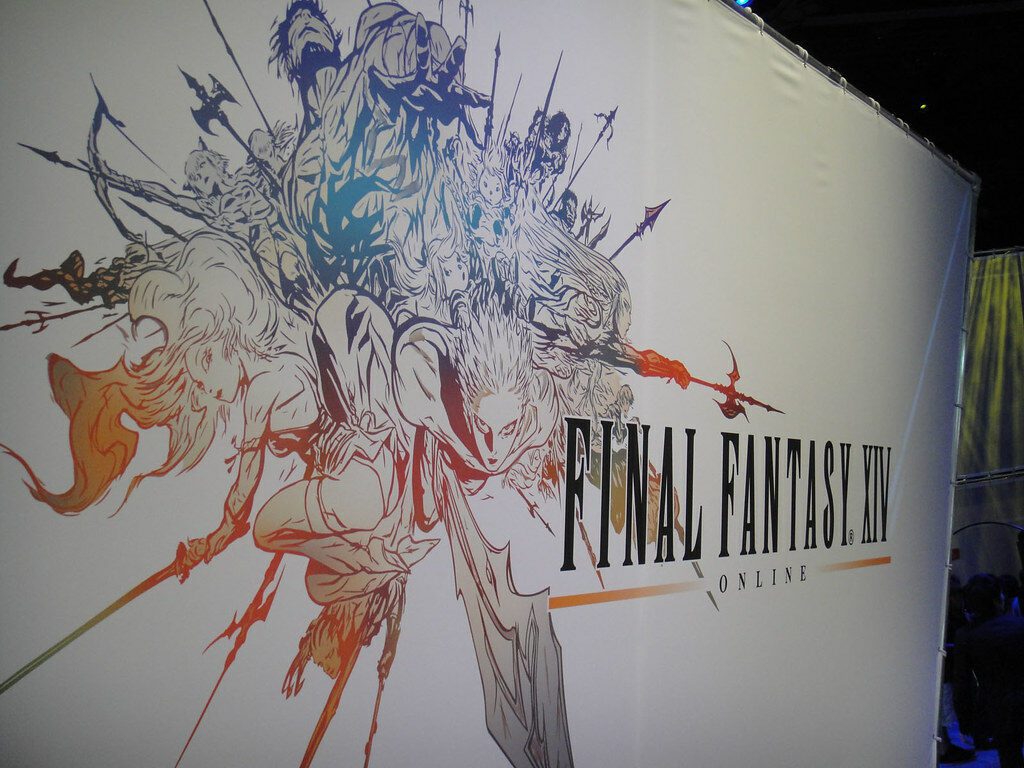
Final Fantasy XIV has lasted because it does not just function as an MMO. It functions as a social ecosystem. The Lodestone’s official Community Finder is built to help players search for new friends, linkshells, and Free Companies, which says a lot about how important social connection is to the game’s long-term design. FFXIV did not survive because of expansions alone. It survived because it gives players structure, belonging, and community tools that make the world feel lived in.
Fortnite
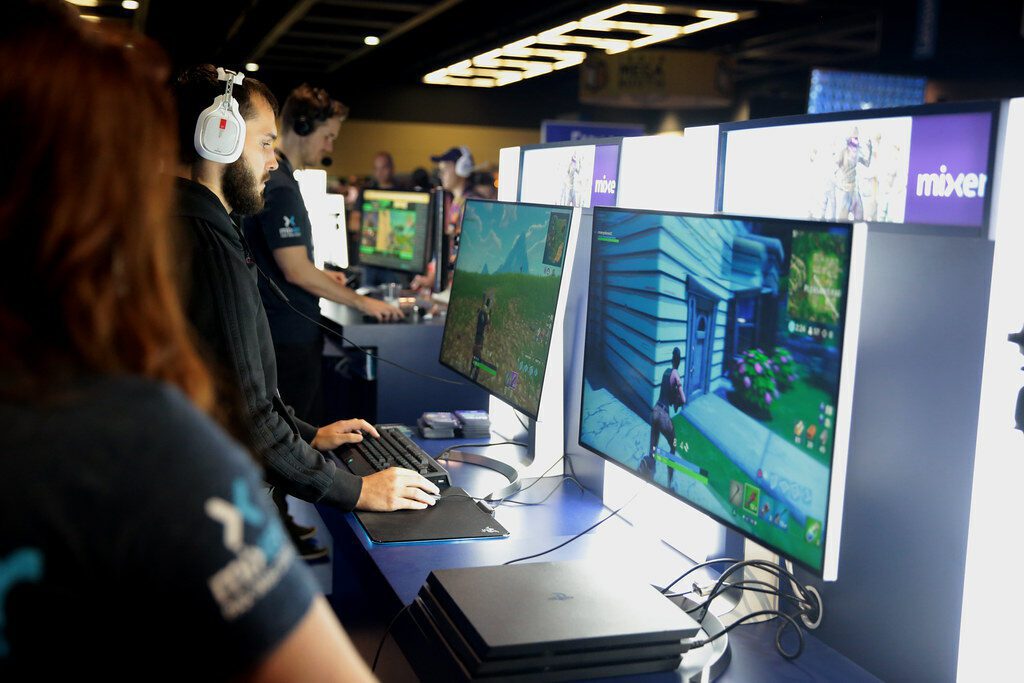
Fortnite is a very different kind of example, but it proves the same point. Epic continues to support Fortnite with active Battle Royale play, ranked systems, and competitive events. Official Fortnite pages currently show a live ranked leaderboard, active player participation, and a competitive structure that gives both casual and serious players reasons to stay involved. Fortnite’s staying power comes from constant refreshes, accessibility, and its ability to support multiple styles of play without losing visibility.
Warframe
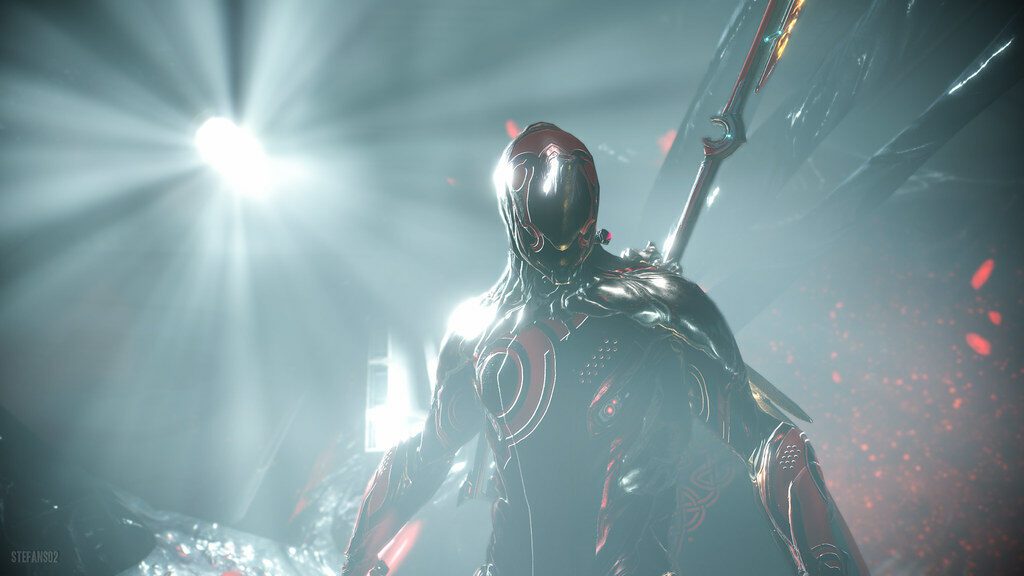
Warframe is one of the best examples of what steady reinvestment can do for a game. More than a decade after launch, it still maintains a substantial active player base, and SteamDB shows Warframe reached an all-time peak of 189,837 concurrent players. That kind of long-term traction suggests more than just surviving updates. It suggests a community that kept believing in the game because the developers kept evolving it instead of abandoning it. Warframe stayed alive by growing with its players, not by standing still.
What these games have in common
These games are not all built the same. Counter-Strike is not Final Fantasy XIV. Fortnite is not Warframe. But they do share a few important traits.
First, they all know what they are. None of them feel like they are desperately chasing every trend at once. Counter-Strike remains rooted in competitive precision. FFXIV leans heavily into community and world-building. Fortnite constantly evolves, but it never lets itself become invisible. Warframe keeps expanding its systems without abandoning its identity.
Second, they all give players reasons to return beyond raw gameplay. Sometimes that reason is competition. Sometimes it is friendship. Sometimes it is progression or content updates. But there is always something pulling players back in.
Third, they all support the player experience after launch. They are not relying only on a good first impression.
That is what strong games do. They build habits, trust, and connection over time.
Why some games lose players so fast
On the other side of this discussion are the games that never quite find staying power.
Sometimes they launch with shallow gameplay and burn through interest quickly. Sometimes they are technically solid but fail to create any real social glue. In other cases, they lose players because they keep changing direction and never settle into a clear identity.
Monetization can also push people away fast. Players are not automatically against battle passes, cosmetics, or premium systems. But they notice when a game feels more interested in extracting money than building community. Once that perception sets in, trust becomes hard to rebuild.
The games that fade out usually have one thing in common: they never gave players a compelling reason to care beyond the launch window.
Why this matters even more in 2026
In 2026, the competition for attention is brutal. New live-service games launch constantly. Social platforms amplify hype quickly. Players have more choices than ever, and many of them are free to try.
That means studios can no longer rely on launch buzz alone. A flashy reveal or strong first month is not enough. The games that last are the ones that turn players into participants.
That is why loyal gaming communities matter more now than ever. They are not just a bonus. They are often the difference between a game that survives and a game that gets forgotten.
Final thoughts
Some games last because they offer more than entertainment. They create a place players want to come back to. They create structure, shared identity, and a sense that the time you put in actually means something.
Great gameplay still matters. So do updates, progression, balance, and content cadence. But community is what ties it all together.
The games that survive are usually the ones that make players feel connected, invested, and heard.
And once a game creates that feeling, it stops being just another title in someone’s library and starts becoming part of their routine, their friendships, and sometimes even their identity.
That is the real power of loyal gaming communities.